
 English
 ភាសាខ្មែរ
 中文 (中国)
 日本語
日本語 Русский
 ไทย
ไทย Français
 العربية
 Türkçe
 Bahasa Indonesia
 한국어
한국어 Deutsch
 Bahasa Melayu
 Tiếng Việt
 Español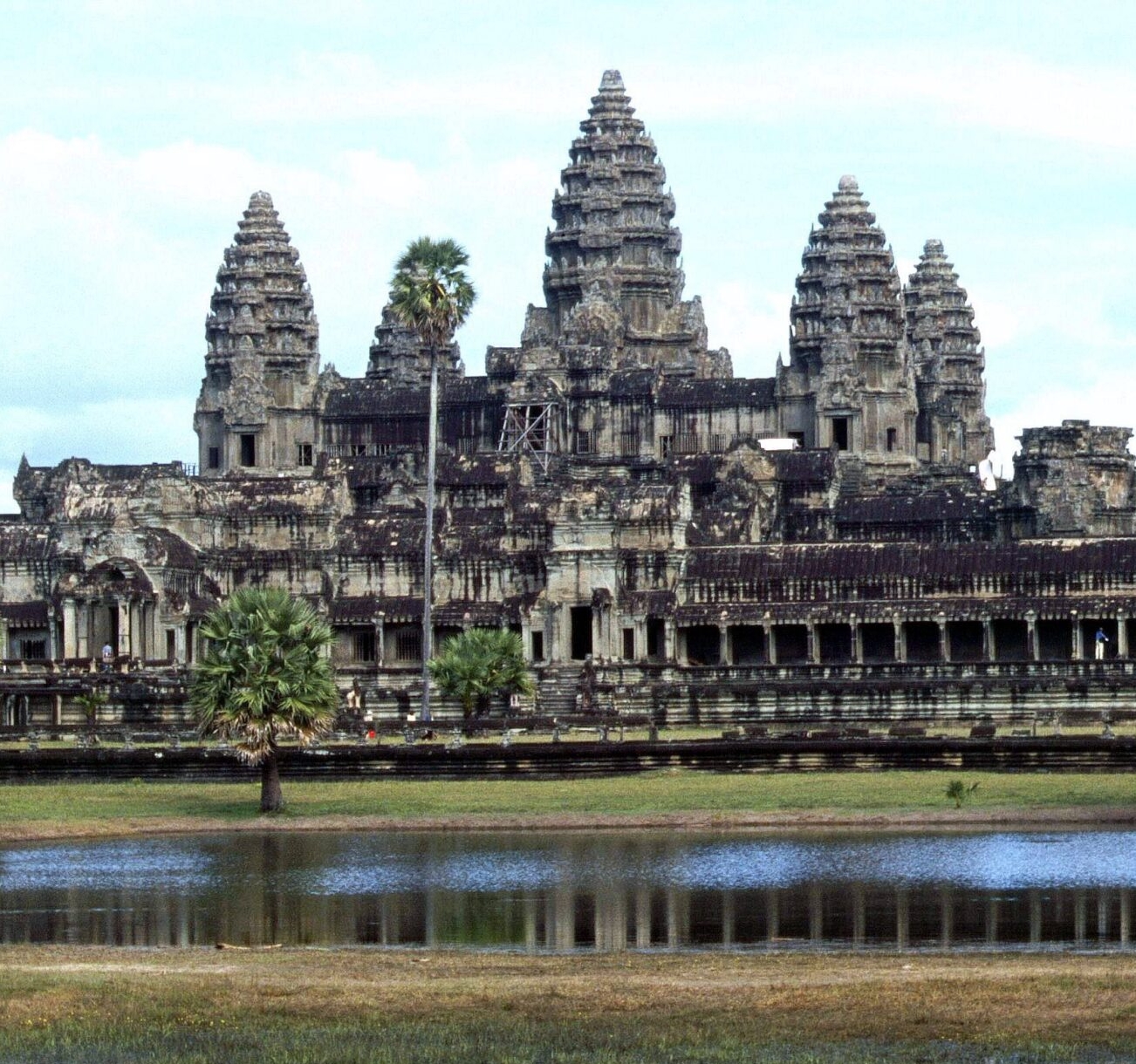
Khmer New Year, known as Chaul Chnam Thmey or Choul Chhnam Khmer, is Cambodia’s most widely shared traditional celebration. Families clean their homes, return to their home provinces, visit pagodas and welcome a new year through religious observance, generosity, games, music and meals.
When is Khmer New Year?
The festival normally falls in mid-April and commonly lasts three or four public-holiday days. Exact dates and the traditional time of the New Year’s angel are announced for each year. Because April is hot and travel demand is high, visitors should confirm the official calendar and arrange transport early.
The meaning of Sangkranta
Sangkranta refers to the transition into a new year. Cambodian tradition connects the change with a cycle of celestial figures called the New Year angels. Households may prepare a welcoming table with flowers, fruit, incense, candles and other offerings at the appointed hour.
The traditional days
Moha Sangkran
The first day marks the arrival of the new year. People clean and decorate their homes, wear fresh clothes, make offerings and visit relatives or pagodas.
Virak Vanabat
The second day emphasises kindness and gratitude. Families give gifts to parents and elders, support people in need and make merit through charitable acts.
Veareak Laeung Sak
The final traditional day welcomes the new year fully. Devotees may bathe Buddha images with scented water and respectfully pour water for elders, asking for blessings and forgiveness.
Games, dancing and community celebrations
Popular activities include bos angkunh, chol chhoung, leak kanseng and tug-of-war. Romvong and other social dances bring several generations together. Large Sankranta programmes may add concerts, food fairs, exhibitions and demonstrations of Khmer arts.
Where to experience the festival
Khmer New Year is celebrated nationwide. Phnom Penh becomes quieter as many residents travel, while provincial towns and villages become busy. Siem Reap often hosts Angkor Sankranta, but programmes vary annually. Pagodas offer a quieter view of the religious side of the holiday.
Travel advice
- Book buses, flights and hotels well ahead.
- Expect altered business hours and crowded roads.
- Carry water and protect yourself from April heat.
- Ask before joining water play or photographing worship.
- Dress modestly at pagodas and remove shoes where requested.
Frequently asked questions
Is Khmer New Year the same date every year?
It is normally in mid-April, but the official holiday span and ceremonial time should be checked each year.
Can visitors join traditional games?
Often yes. Follow local hosts, learn the rules and take part respectfully.
Why do people leave Phnom Penh?
Many residents return to their family homes in the provinces, making it one of Cambodia’s busiest domestic travel periods.
Explore related celebrations
Return to the Cambodia festivals calendar, and read about Sankranta celebrations, traditional games and Khmer music and dance.
Sources
- Tourism Cambodia: Khmer New Year (historical orientation; dates independently checked).
- Cambodia Ministry of Tourism

Join The Discussion